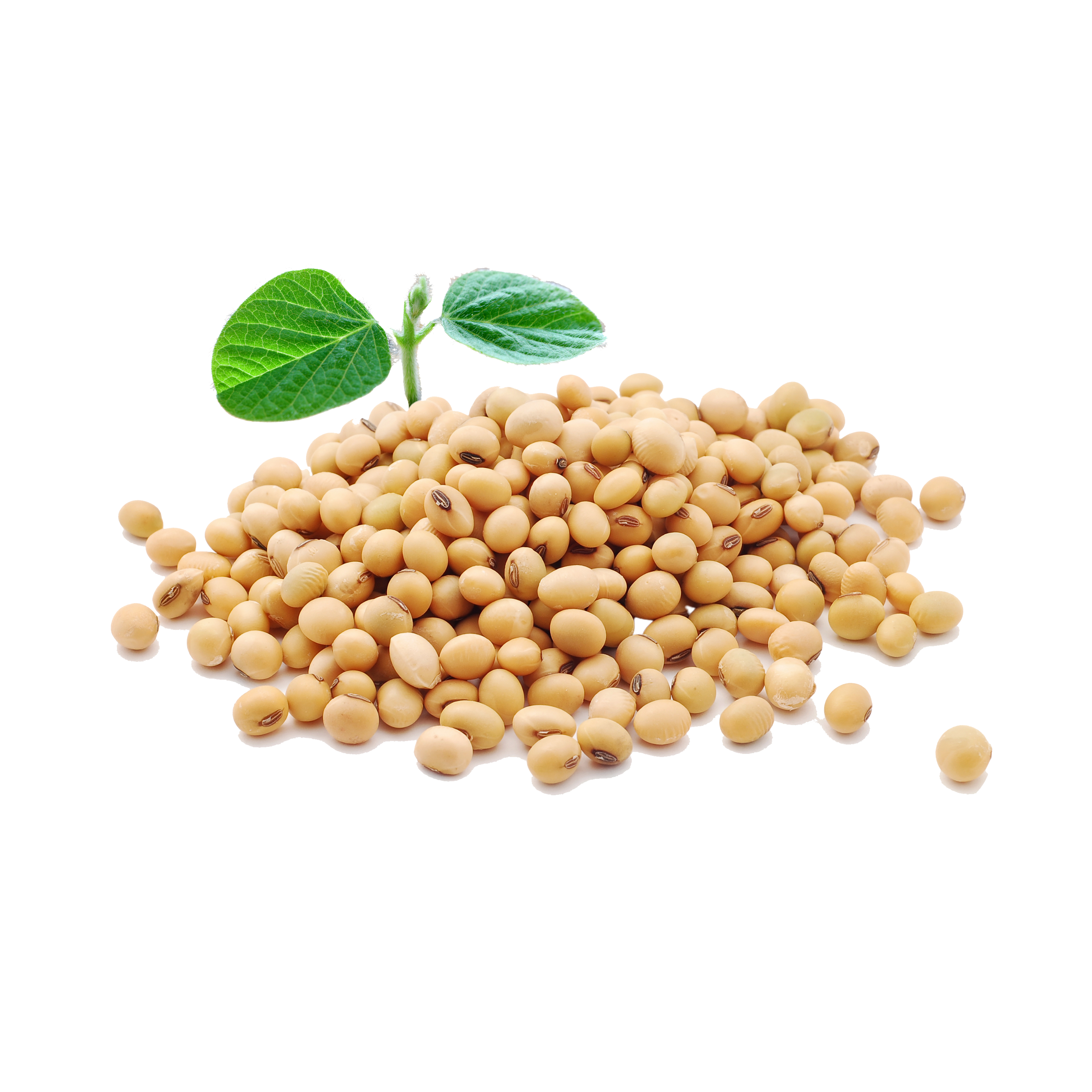
Ukrainian soybeans are an important agricultural commodity used in the food, vegetable oil, and animal feed industries. Soybeans contain plant-based protein and oil, making them a valuable raw material for different types of processing. Soybean cultivation in Ukraine supports both domestic production and soybean exports to international markets.
EXAMPLES OF REALIZED CONTRACTS
Product:
Soybeans
Route:
Khmelnitsky — Bologna
Weight:
22,6 tons
Delivery time:
14 days
Terms of delivery:
DAP
Date of purchase:
04.12.2024
Price per ton:
609 EUR
Product:
Soybeans
Route:
Vinnitsa — San Giorgio di Nogaro
Weight:
641,4 tons
Delivery time:
18 days
Terms of delivery:
DAP
Date of purchase:
28.11.2024
Price per ton:
589 EUR
Advantages of Ukrainian soybeans:
Industrial processing opportunities: Soybeans are used to produce soybean oil, soybean meal, protein concentrates, and other value-added products.
Diverse end-use applications: Soy-derived products are used in the manufacture of food ingredients, animal feed formulations, and specialized plant-based products.
Export potential: Soybean cultivation in Ukraine, together with facilities for storing and handling oilseed crops, provides opportunities to assemble commercial shipments for international trade.
Types of Ukrainian soybeans:
Soybeans may differ in their varietal characteristics, chemical composition, and intended use. In international trade, it is useful to distinguish between the following applications:
Soybeans for oil extraction: Intended for soybean oil production and the manufacture of processed products, particularly soybean meal. Oil content, grain condition, and suitability for processing are important considerations.
Soybeans for animal feed production: Used as a raw material for feed ingredients after appropriate processing. Nutritional value and protein content are particularly important for this application.
Food-grade soybeans: Used to manufacture tofu, soy milk, and other food products. Requirements for bean size, appearance, and composition depend on the specific manufacturing process.
Export of soybeans from Ukraine
Soybean exports from Ukraine serve the international oilseed market, where demand comes from processing companies, grain traders, and importers of agricultural commodities. Ukrainian soybeans may be supplied for further industrial processing or purchased by businesses specializing in food and animal feed production. Access to individual markets is subject to the importing country’s regulations and the requirements applicable to each shipment.
When purchasing soybeans in bulk, buyers consider moisture content, protein and oil levels, foreign matter, and the proportion of damaged beans. For certain markets, the product’s genetically modified organism (GMO) status is also relevant. Where a contract requires non-GMO soybeans, compliance must be supported by appropriate test results or other acceptable documentation. Specific quality specifications and inspection methods are agreed upon by the contracting parties.
Tradder is engaged in international agricultural commodity trading, including Ukrainian-origin soybeans. We handle inquiries from overseas businesses interested in purchasing soybeans in bulk for industrial processing or further distribution. Our trading activities involve exploring opportunities to supply commercial quantities of soybeans in line with the requirements of international buyers.
If you are looking to buy soybeans in bulk or arrange soybean imports from Ukraine, submit an inquiry through the form on this page. Specify the required quantity, destination country, and preferred Incoterms delivery terms. We will review your inquiry and provide information about available commercial terms. Shipments may be arranged under EXW, FCA, CPT, DAP, or FOB terms in accordance with Incoterms 2020. Final pricing and shipment schedules are agreed upon before the sales contract is concluded.
Price
The price is for delivery on EXW terms. The price for the delivery of goods on other terms is determined individually depending on the type of transport, place of delivery and type of delivery according to INCOTERMS rules
The price is for delivery on EXW terms. The price for the delivery of goods on other terms is determined individually depending on the type of transport, place of delivery and type of delivery according to INCOTERMS rules